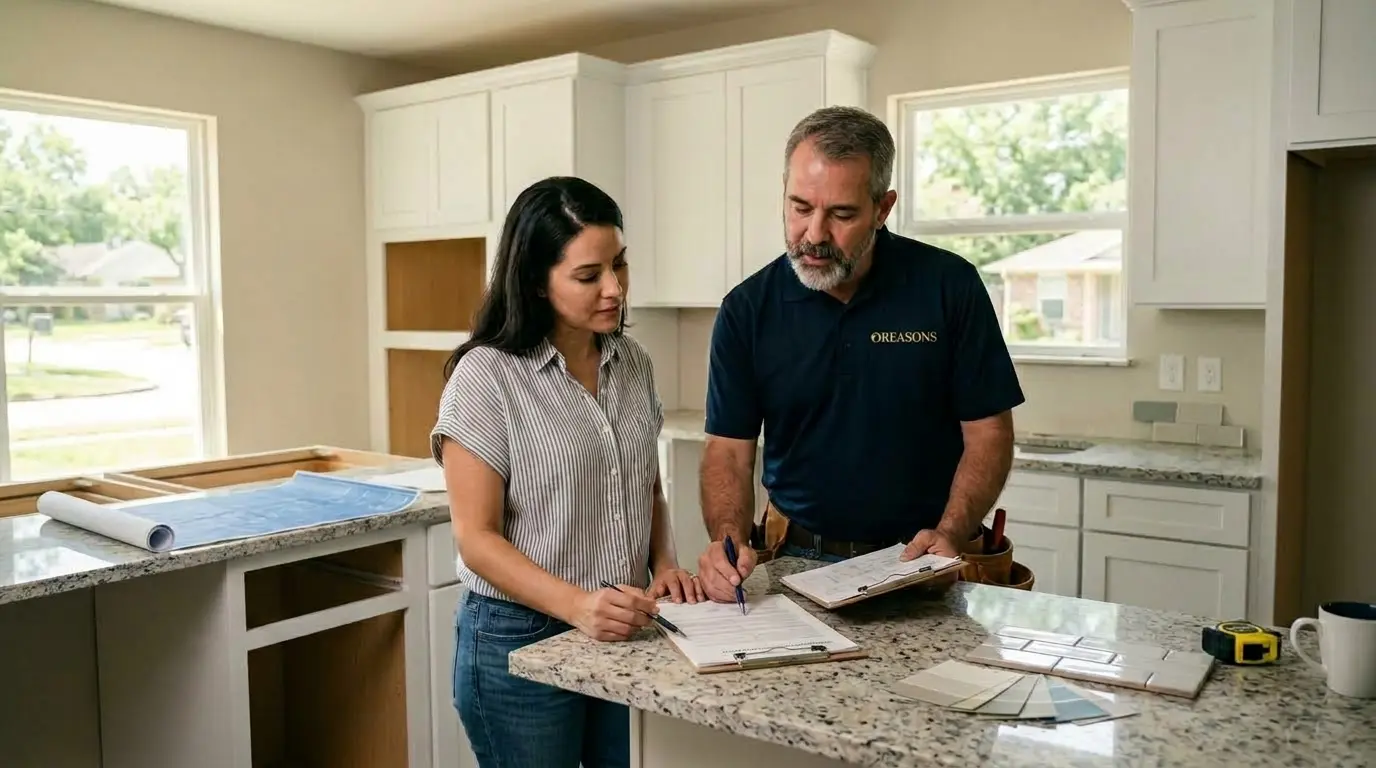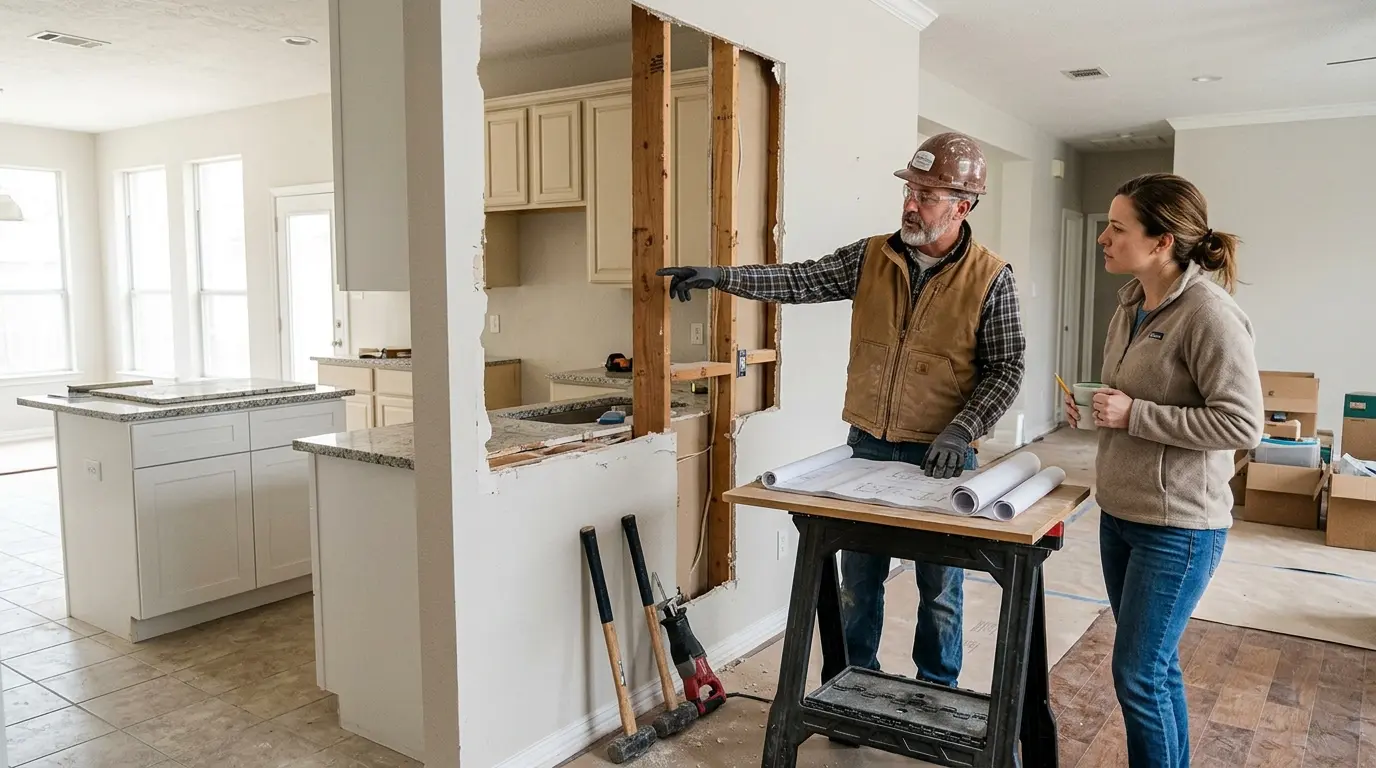
The plumber packed up, and the drip finally stopped. Now you’re looking at a stained wall and a floor that doesn’t feel quite right. It’s tempting to book the painter and the flooring crew the same week. That’s usually where the expensive mistakes start. Water travels, and it settles into drywall and subfloors where nobody can see it. New paint or fresh planks laid over hidden moisture can fail within months. Remodeling after a plumbing leak in Houston works best when the concealed damage gets found and fixed first. Here’s what needs attention before any new finishes go in.
What Needs to Happen Before Remodeling After a Plumbing Leak?
Covering damage fast feels like progress. It isn’t. New finishes only last as long as the materials under them.
Confirm the Leak Source Has Been Repaired
Get a clear answer on what failed and how it was fixed. Ask whether nearby connections were checked, since one corroded fitting often has neighbors. A remodeling crew can rebuild around the plumbing, but rebuilding is not a plumbing repair. Any remaining pipework belongs to a qualified plumber before walls or floors close up.
Assess the Extent of Hidden Moisture Damage
Water rarely stays where it started. It runs behind drywall and under flooring, then soaks into cabinet bases. The stain you can see is often smaller than the wet area you can’t. A moisture meter helps map the damage, but the readings aren’t universal. Drywall and lumber read differently, so a good inspector compares the wet zone against a dry section of the same material. Don’t trust a clean surface. A wall can feel dry to your hand while the core behind the paint still holds water.
Should Wet Drywall and Insulation Be Repaired Before New Finishes?
Drywall is good at hiding trouble. The painted face can dry in a day while the core and the cavity behind it stay damp much longer.
When Drywall Can Be Dried and When It Needs Replacement
Some wet drywall can be saved. The board that took a brief soak from clean supply water may recover if drying started quickly and the material stays firm. A faint stain on solid board is usually cosmetic. Other drywall is done. Softness or sagging means the board has lost its strength, and so does a crumbling bottom edge.
Board soaked by dirty water from a drain backup should come out too, because porous materials are hard to clean once contaminated. Cut damaged sections out a little past the wet line before new drywall and paint go up.
Check the Wall Cavity and Insulation
Once the wall is open, check the studs and bottom plate for staining or softness. Framing often dries with air and time, but rotted wood needs repair.
Wet fiberglass batts must always be replaced, since they slump and lose insulating value. Pull any that stay soggy or have been contaminated with water, rather than tearing out the whole wall by default. Spreading mold or deep framing damage calls for a qualified professional’s assessment.
What Should Be Checked Under Flooring After a Plumbing Leak?
New flooring is only as good as what sits under it.
Inspect the Subfloor for Moisture and Structural Damage
Wood subfloors don’t handle long soaks well. OSB tends to swell at the edges. Plywood can delaminate as its layers separate. Underlayment can trap water against it too.
Look and feel for warning signs. Soft spots underfoot. Dark staining. Puffed-up seams. Moisture testing confirms whether wood has dried, while concrete slabs need vapor testing; a sound, dry subfloor can stay. Weak or rotted sections get replaced.
Decide Whether the Existing Flooring Can Be Repaired or Must Be Replaced
The answer depends on the material and how much water reached it. A few swollen laminate boards near a dishwasher might be a spot repair. Buckling across a whole room usually means water got underneath, and that floor has to come up so the base can dry.
Most flooring manufacturers Wet fiberglass batts sometimes dry out, though they tend to slump and lose insulating value set moisture limits for the subfloor, so check those requirements before anything new goes down. How far the water spread will shape whether damaged flooring needs repair or replacement. Neither path works until the base underneath is dry and solid.
Do Cabinets, Vanities, and Other Built-In Materials Need Replacement?
Cabinets sit right where most kitchen and bathroom leaks happen. Water soaks into raw panel edges and joints, then hides behind the toe kick.
Check for Cabinet Swelling and Damage Around Joints
Many cabinet boxes are built from particleboard or MDF. Once those materials swell, they don’t shrink back. Look for bulging bottom panels and joints that have pulled apart. A water ring on a solid wood face frame may clean up fine. A swollen cabinet floor is material failure, and it won’t reliably support a countertop. If the box still reads wet after the room has dried, plan on replacing it.
Inspect Bathroom Vanities and Nearby Fixtures
Vanities get hit from the inside, right where the supply lines and drain pass through. Check near the toilet too, where slow leaks soften subfloors without anyone noticing. The plumber fixed the pipe. That’s step one. Swollen vanity bases and soft flooring don’t heal on their own.
How Can Homeowners Address Moisture and Mold Concerns Before Rebuilding?
Closing up a wet wall or floor traps the moisture with nowhere to go. Everything staying in the house needs to be dry first.
Confirm the Affected Area Has Dried Properly
Drying takes moving air and dry air. Fans and steady air conditioning may handle a small leak caught early. Bigger exposures often need dehumidifiers and air movers, and Houston’s humidity makes dehumidification especially important.
No set number of days works for every room. Drying time depends on how much water got in and what it soaked into. When the affected area matches normal readings for the same material elsewhere, it’s likely ready.
Address Suspected Mold Before Installing New Finishes
Don’t paint over mold. Don’t bury it under new drywall or flooring either. Primer may hide a stain for a while, but it does nothing about the moisture feeding the growth.
A musty smell that won’t quit is a warning sign. Not every leak leads to mold. When it appears, the right response depends on how much there is and whether the water was clean. Larger growth inside walls may call for professional assessment or remediation. Either way, fix the moisture first.
In What Order Should Repairs and New Finishes Be Completed?
Hang the drywall before the framing dries, or you may be cutting it out again in a few months.
- Repair the plumbing leak and verify that the source has been addressed.
- Inspect affected areas and identify damaged or potentially contaminated materials.
- Remove materials that cannot be adequately dried or safely retained.
- Dry the affected areas and verify that conditions are suitable for rebuilding.
- Repair the subfloor, framing, drywall, insulation, or other damaged substrates as needed.
- Reinstall suitable drywall, cabinets, flooring, and other finishes in the appropriate project sequence.
- Complete painting, trim, caulking, and final checks after the underlying work is ready.
Not every job needs every step. A small leak behind a vanity might only call for a drywall patch and a new cabinet base. Plumbing or electrical work may also need inspection before surfaces close up.
What Should Homeowners Confirm Before Approving the Final Remodel?
A room can look finished and still hide problems behind the paint. Check these points before signing off.
- The plumbing leak has been repaired.
- Affected areas have been inspected for concealed damage.
- Drying and moisture checks have been completed.
- Damaged drywall, insulation, subfloor, or cabinetry has been addressed.
- Any mold or contamination concerns have been handled appropriately.
- New finishes are going over stable surfaces.
- The remodeling scope and remaining work are clear.
Frequently Asked Questions
Can You Install New Flooring Before the Subfloor Is Completely Dry?
No. The subfloor must meet the flooring manufacturer’s moisture and installation requirements first. A damp or weakened base can lead to cupping and adhesive failure down the road.
Does Wet Drywall Always Need to Be Replaced After a Plumbing Leak?
No. Drywall briefly wetted by clean water can often stay if it dries completely and remains firm. Soft or crumbling board should be replaced. So should drywall exposed to contaminated water.
How Do You Know When a Water-Damaged Room Is Ready for Remodeling?
The leak must be fixed and the hidden damage identified. Wet or failed materials should be dried or removed. Moisture readings should show the remaining materials are back to normal.
Final Thoughts
Fixing the pipe only gets you started. A lasting recovery means tracing where the water went and drying what can be saved. Damaged substrates get repaired before anything new goes on top. Skip those steps and the new finishes become the next thing you tear out.
Oreasons Remodeling & Construction handles drywall and flooring across Houston, with each phase checked before the next begins. When a leak repair grows into a bigger project, full house remodeling brings the structural fixes and new finishes together under one plan. If that’s where your home is headed, reach out to our team to talk through the scope.