Choosing between LVP, laminate, and engineered hardwood can feel hard. All three can give your home a wood-style look. Yet they do not handle water, wear, heat, and concrete slabs in the same way.
For most wet or busy rooms, LVP is often the safer choice. Laminate can work well in dry rooms when you want a lower-cost wood look. Engineered hardwood is a better fit when you want real wood and can control indoor moisture.
This guide compares LVP vs laminate vs engineered hardwood in simple terms. It will help you choose the right floor for your room, budget, and home in Houston, TX.
Which Flooring Is Best for a Houston Home?
There is no single winner for every room.
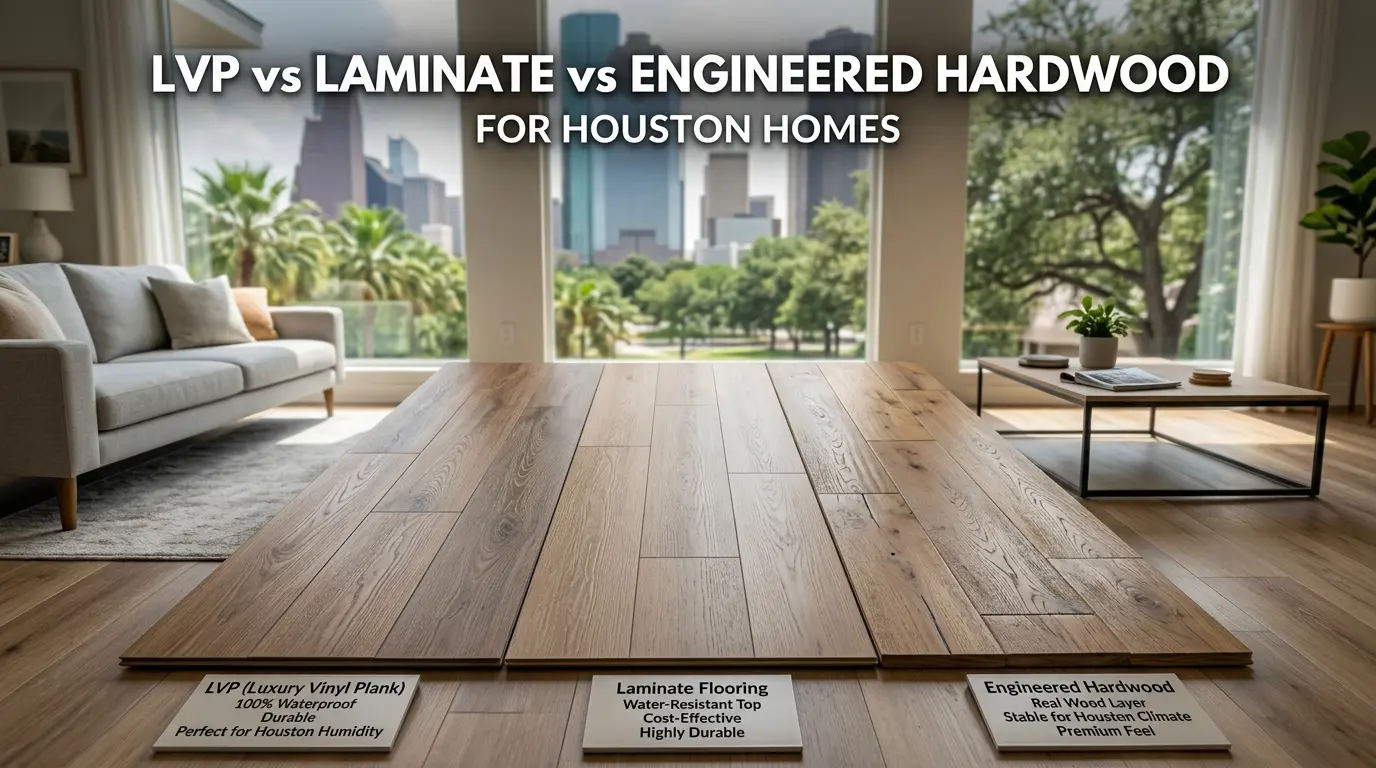
LVP is often best for kitchens, hallways, playrooms, and homes with pets. It is easy to clean, and many products are made to handle spills.
Laminate is a good choice for dry bedrooms, offices, and living rooms. It can offer a strong wood look without the higher cost of real wood.
Engineered hardwood works well in living rooms, dining rooms, bedrooms, and other dry areas. It has a real wood surface, which gives it a more natural look and feel.
Here is the simple answer:
| Flooring type | Best for | Main concern |
| LVP | Wet rooms, pets, busy homes | Quality and slab prep vary |
| Laminate | Dry rooms and tighter budgets | Water can harm the core |
| Engineered hardwood | Real wood look and dry spaces | Needs moisture control |
| LVP | Easy cleaning and daily use | May feel less natural than wood |
| Laminate | Scratch resistance and style | Not all products are waterproof |
| Engineered hardwood | Warm look and real wood surface | Higher care needs |
The best flooring for Houston homes depends on the room, the slab below it, and how much water the floor may face.
What Is LVP Flooring?
Luxury vinyl plank is often called LVP. It is made in layers and printed to look like wood. Some products can also copy the look of stone or tile.
The top layer helps protect the design from daily wear. The center gives the plank its shape and strength. Some LVP also comes with a pad attached to the back.
Many homeowners choose LVP flooring Houston projects because it is easy to clean and can work in many rooms. Some LVP products are sold as fully waterproof. Still, the product claim may only cover the plank itself. Water can still move under the floor or reach the walls and trim.
LVP may use a click-lock, floating, or glue-down system. The right method depends on the product and the floor below it.
What Is Laminate Flooring?
Laminate is also made in layers. It has a printed wood image under a clear wear surface. The center is often a wood-based board.
Modern laminate can look very close to real wood. It also comes in many colors, plank sizes, and surface styles.
Some laminate flooring Houston products now offer better water protection than older laminate. However, the level of protection varies by product. Pergo, for example, states that some of its water-resistant floors can block water for a set period when installed under its rules. That does not mean every laminate floor has the same protection.
Laminate is often installed as a floating floor. The planks lock together and sit over an underlayment. A flat base is important because movement can place stress on the joints.
What Is Engineered Hardwood?
Engineered hardwood has a real wood surface. Below that surface are several layers placed in different directions.
This layered build helps the board stay more stable than a single thick piece of solid wood. It can still react to water and changes in indoor moisture.
Many engineered hardwood Houston projects use glue-down or floating installation over concrete. The exact method must be approved by the flooring maker.
The National Wood Flooring Association states that engineered wood can be installed over concrete when the slab is flat, dry, clean, and prepared correctly. It also calls for proper moisture testing before installation.
Engineered hardwood gives you a true wood surface. That makes each board look a little different. It may also feel warmer and more natural than vinyl or laminate.
Which Floor Handles Houston Humidity Best?
LVP is usually the easiest of the three to use in humid or spill-prone rooms. The plank itself does not react to moisture in the same way as a wood-based core or real wood.
Laminate can handle normal indoor humidity, but water around the edges may reach its inner core. If that core takes in water, it may swell and lose its shape.
Engineered hardwood can work in Houston when indoor air stays steady and the slab is dry. It should not be treated like tile or vinyl. Spills should be cleaned fast, and long-term moisture must be avoided.
Houston receives warm weather and regular rainfall through much of the year. Local climate records show that the area has long hot seasons and yearly rain totals above 50 inches at its main weather stations. These conditions make moisture checks important, especially in slab-built homes.
Air conditioning helps control indoor conditions. Still, plumbing leaks, wet shoes, slab moisture, and storm water can affect the floor.
Waterproof Versus Water-Resistant Flooring
The words waterproof and water-resistant are not the same.
A water-resistant floor can handle small spills for a limited time. You still need to clean the water before it reaches the seams or edges.
A waterproof plank is made so water does not harm its main body. Yet this does not make the whole room waterproof. Water may still move under the planks, reach the underlayment, or damage the baseboards.
When comparing waterproof versus water-resistant flooring, read the full product warranty. Look for these details:
- How long water can stay on the floor
- Which rooms are covered
- How the edges must be sealed
- Which underlayment is allowed
- What type of cleaning is safe
- Whether flood or leak damage is excluded
Do not trust a large word on the box without reading the smaller rules.
Which Floor Is Better for a Concrete Slab?
LVP can work well over concrete when the slab is clean, dry, and flat. Some products also need a moisture barrier or approved pad.
Laminate can also go over concrete. It often needs an underlayment that is approved for use over a slab. The room still needs edge space so the floor can move.
Engineered hardwood needs more careful testing. The slab should be dry and within the limits set by the wood and adhesive makers.
The NWFA says high areas should be lowered, low areas should be filled, and moisture tests should be completed before wood goes over concrete. It also warns that the slab should be free of paint, oil, loose areas, and other materials that may affect the floor.
No flooring should be placed over an active water problem. A moisture barrier cannot repair a leaking pipe or stop water entering from outside.
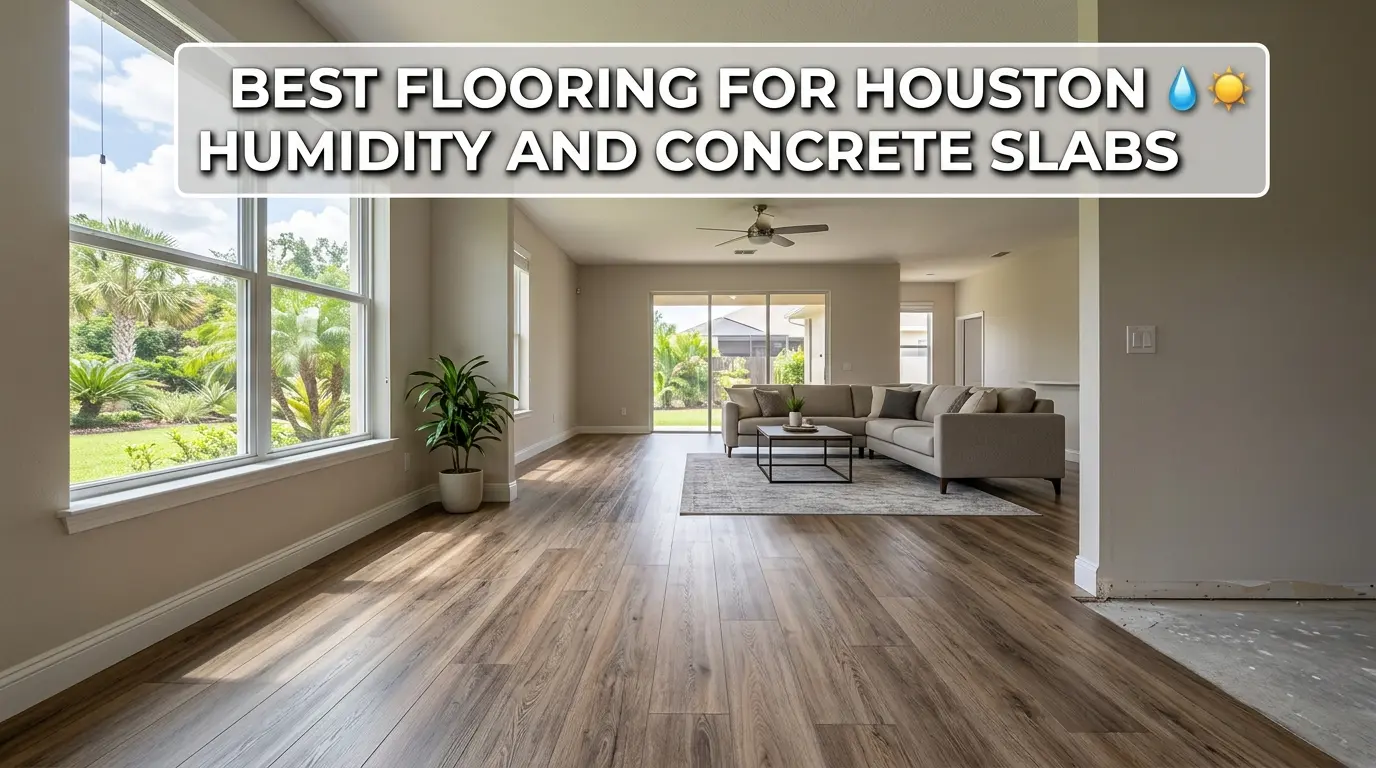
Choosing the right flooring for Houston humidity can help prevent moisture-related issues.
Which Floor Looks Most Like Real Wood?
Engineered hardwood looks the most like real wood because its top surface is real wood.
The color and grain can change from one board to another. Small marks and shade changes are part of its natural look.
Laminate uses a printed image. Good laminate can look very close to wood, but patterns may repeat across the room.
LVP also uses a printed design. Higher-quality products may include texture, color changes, and deeper plank details. Basic LVP may look flatter or repeat its pattern more often.
Your choice depends on what matters most. Engineered wood offers a real surface. Laminate and LVP offer more control over color and pattern.
Large samples can help. Place them in the room during the day and at night. Light can change how the color looks.
Which Flooring Is Best for Pets?
LVP is often a practical choice for homes with pets. It is easy to clean, and many products are made to resist stains and scratches.
Laminate can also have a strong wear surface. It may handle claw marks well, but pet water bowls and accidents should be cleaned quickly.
Engineered hardwood may show dents or scratches more easily. The result depends on the wood type, finish, plank texture, and size of the pet.
No floor is fully scratch-proof. Dirt and small stones can mark any surface when they are dragged under shoes or paws.
For pet homes, look for:
- A strong wear surface
- A finish that hides small marks
- Easy spill cleanup
- Good joint strength
- A low-gloss or textured look
- Clear pet-related warranty terms
Use mats near doors and under food bowls. Keep pet nails trimmed and clean spills as soon as possible.
Which Floor Feels Better Underfoot?
Engineered hardwood often feels warm and firm. It has the natural feel many homeowners want in bedrooms and living rooms.
Laminate may feel a little harder or sound more hollow. A good underlayment can help reduce sound and make the floor feel more solid.
LVP can feel softer than tile, but the feel changes by product. Thick LVP with an attached pad may feel quieter than a thin plank placed over hard concrete.
The floor below also changes the result. A smooth slab and the right pad can improve comfort. A poor base may cause movement, noise, or a weak feel.
Walk on a large sample before you buy. A small hand sample will not show how the floor feels under your feet.
Which Flooring Is Easier to Clean?
LVP is usually the easiest to clean. Regular sweeping and a damp mop are enough for many products.
Laminate is also simple to maintain, but too much water can harm it. Pergo advises against using too much water when cleaning laminate.
Engineered hardwood needs more care. Use a cleaner made for wood floors. Avoid soaking it, using rough tools, or leaving spills in place.
For all three materials:
- Remove grit often
- Clean spills fast
- Avoid steam unless the maker allows it
- Use pads under furniture
- Do not drag heavy items
- Follow the product care guide
Using the wrong cleaner can leave a film or harm the finish. Check the care rules before trying a new product.
Which Flooring Costs More?
Engineered hardwood is often the most costly of the three. The real wood surface, product grade, and installation method can raise the total.
LVP and laminate often have more choices at lower price points. Premium products may still cost more than basic engineered wood.
Do not compare material price alone. Include:
- Old floor removal
- Slab preparation
- Moisture testing
- Underlayment
- Adhesive
- Trim
- Transitions
- Installation labor
- Cleanup
A low-cost plank may become an expensive project if the slab needs major work. A higher-cost floor may be easier to install when the base is ready.
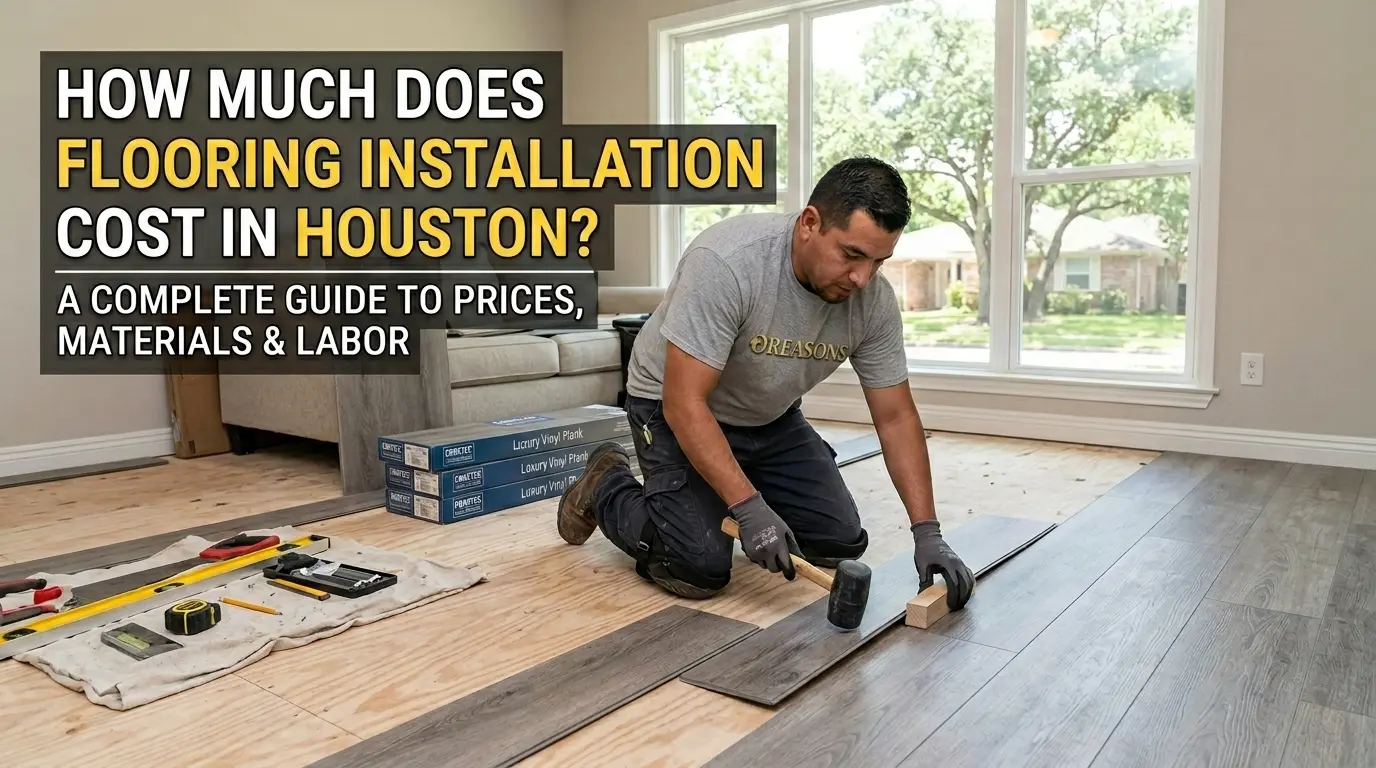
Understanding flooring installation costs can help you plan your budget more accurately.
Which Flooring Works Best in Each Room?
Kitchen
LVP is often the safest of the three because it can handle spills better. Water-resistant laminate may work when the product is approved for kitchens. Engineered wood needs more care around sinks and dishwashers.
Living Room
All three can work. Choose LVP for easy care, laminate for a lower-cost wood look, or engineered hardwood for a real wood surface.
Bedroom
Laminate and engineered hardwood are both strong choices. LVP also works when easy cleaning is the main goal.
Bathroom
LVP may be used when the product is approved for bathrooms. Laminate and engineered hardwood are usually higher-risk choices around frequent water.
Entryway
LVP is often the most practical. It can handle wet shoes, dirt, and daily foot traffic. Mats should still be used near the door.
Home Office
Any of the three can work. Use chair mats or soft wheels to reduce wear from a desk chair.
What Installation Mistakes Should You Avoid?
The wrong floor prep can cause trouble even when the product is good.
Common mistakes include:
- Skipping slab moisture tests
- Installing over dips or raised areas
- Covering old water damage
- Leaving no space near walls
- Using the wrong underlayment
- Installing cabinets over the wrong floating floor
- Using a product in an unapproved room
- Ignoring the maker’s care rules
- Choosing only by price
- Hiring without a clear written scope
Pergo notes that floating laminate needs space near walls because the floor can move as room conditions change.
Professional installation does not fix a bad product choice. Product quality also cannot fix poor floor prep. Both parts need attention.
How Should You Make the Final Choice?
Choose LVP when water resistance, easy cleaning, and daily wear are your main concerns.
Choose laminate when the room is dry and you want a wood look at a more modest starting price.
Choose engineered hardwood when you want real wood and are willing to give it more care.
Before buying, ask these questions:
- Is the room likely to get wet?
- Is the floor over a concrete slab?
- Has the home had past water damage?
- Do you have pets or young children?
- How much cleaning do you want to do?
- Do you want real wood or only the look?
- What does the warranty cover?
- What floor prep is needed?
Oreasons Remodeling & Construction can inspect the current floor and explain which products fit each room. Their flooring services in Houston can help you explore suitable options before planning an in-home visit.
Choose the Floor That Fits Your Home
The LVP vs laminate vs engineered hardwood choice becomes easier when you start with the room.
LVP is often a strong fit for busy or wet spaces. Laminate works best in dry rooms when you want a simple wood look. Engineered hardwood gives you a real wood surface but needs better moisture control.
For the best flooring for Houston homes, do not choose from a small sample alone. Check the slab, read the warranty, compare full installation needs, and think about how the room is used each day.
Oreasons Remodeling & Construction can help you compare LVP flooring Houston, laminate flooring Houston, and engineered hardwood Houston options based on your rooms, slab condition, and daily needs.
Frequently Asked Questions
Is LVP better than laminate for Houston homes?
LVP is often better for rooms with spills or moisture. Laminate may be a good choice for dry rooms where cost and scratch resistance matter.
Is engineered hardwood safe over concrete?
It can be installed over concrete when the slab is flat, clean, dry, and tested. The flooring and adhesive must also be approved for the method.
Which floor is best for pets?
LVP is often the easiest to clean after spills or pet accidents. Laminate can also resist daily wear, but water must be cleaned fast.
Does laminate look more real than LVP?
It depends on the product. Both can look close to wood. Large samples will help you compare texture, shine, and pattern repeats.
Can LVP go in a bathroom?
Many LVP products can go in bathrooms, but the product must be approved for that room. The floor is not a replacement for proper water control.
Does engineered hardwood scratch?
Yes. Like other wood floors, it can show scratches and dents. A textured finish may hide small marks better than a smooth, glossy finish.
Which floor is easiest to repair?
The answer depends on the installation method and whether matching planks are available. Floating planks may sometimes be replaced, but the room layout can make access hard.
Which flooring lasts the longest?
There is no fair answer without knowing the product quality, room use, installation, and care. A well-chosen floor can fail early when installed over a poor base.